Sapum: Crafting Timeless Brand Identity with Victorian Elegance
In a digital landscape saturated with minimalist sans-serifs and fleeting trends, establishing a brand that feels both trustworthy and distinct can be a significant challenge. Many businesses struggle to find a visual voice that conveys heritage and substance without appearing dated or cliché. This is where the strategic selection of typography becomes crucial. Choosing a typeface like Sapum is not merely a decorative decision; it is a foundational choice that communicates a specific narrative and values to your audience before they read a single word.
The Anatomy of a Stately Typeface
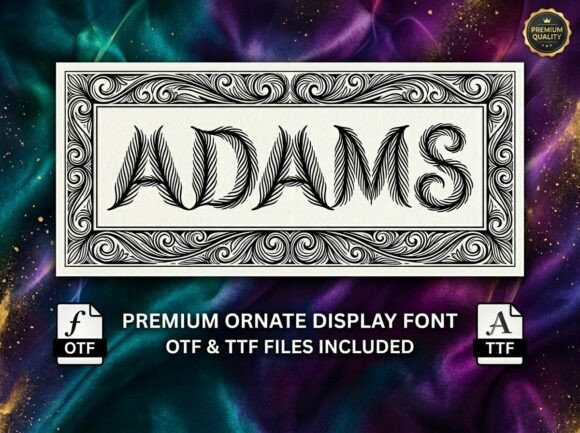
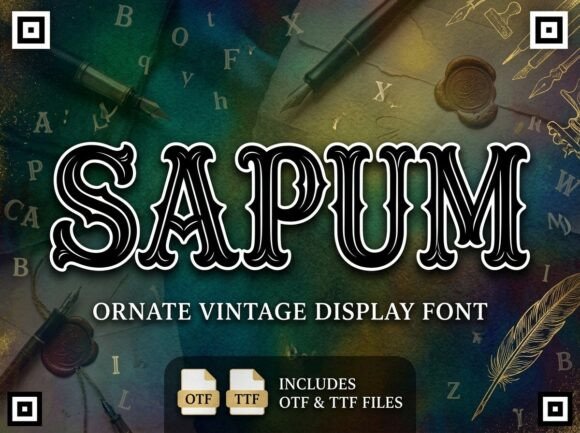
Sapum is a display typeface designed to capture a classic and stately soul. Its visual language is rooted in the Victorian era, characterized by bold, confident letterforms that command attention. What sets it apart are the intricate details: rhythmic, curved spurs that add a unique flair to each character, and a sophisticated inline detail that mimics the craftsmanship of antique engraving. This combination creates a texture and depth often missing in modern fonts. The heavy structural weight gives it a prestigious personality, ensuring it holds its own in large-scale applications like signage or headers, while its ornate nature evokes the elegance of vintage circus posters and antique book covers. Understanding these components helps in appreciating where Sapum can be most effectively applied.
Practical Applications for Authentic Branding
The true value of a typeface lies in its application. For businesses and creators aiming to project an image of authenticity and quality, Sapum offers specific solutions. Consider an independent distillery or a craft brewery. The brand story often hinges on tradition, small-batch processes, and a connection to heritage. Using a generic modern font can undermine that narrative. Sapum, with its Victorian-inspired design, immediately aligns the visual identity with those core values. The curved spurs and inline details echo the intricate labels found on premium bottles from a bygone era, suggesting care and complexity in the product itself.
Similarly, for a heritage-style apothecary or a traditional barbershop, the goal is to create an environment and brand experience that feels curated and timeless. Sapum serves as a powerful tool for signage, menu design, and packaging. Its bold weight ensures legibility from a distance on a shop window, while its ornate character communicates the specialized, premium nature of the service. It tells customers they are stepping into an establishment that values tradition and meticulous attention to detail, which can justify a premium positioning and foster customer loyalty.
Enhancing Digital Presence and Creative Projects
While strongly associated with physical branding, Sapum is equally potent in digital spaces. For social media managers, bloggers, and content creators, standing out in a crowded feed is essential. A high-impact, timeless, and ornate social media header created with Sapum can stop the scroll. It provides a visual anchor that distinguishes a profile or campaign, conveying a sense of seriousness and artistry that a standard font cannot. This is particularly useful for educators or publishers focusing on history, literature, or classical arts, where the typography itself can become part of the educational or thematic content.
For freelancers and small business owners in creative fields—such as wedding stationery designers, boutique publishers, or specialty coffee roasters—Sapum can be a key differentiator. It offers a way to solve the problem of generic presentation. Instead of blending in, a logo or heading set in Sapum immediately signals a specific aesthetic niche, attracting clients who are looking for that exact style. This can streamline the client acquisition process by visually pre-qualifying leads, saving time and aligning expectations from the first point of contact.
Strategic Considerations for Effective Use
While Sapum is a powerful asset, it is important to use it strategically to maximize its impact. As a display typeface with strong personality, it is best suited for headlines, logos, and short blocks of impactful text. Using it for lengthy body copy would likely hinder readability. Its strength lies in making a statement, not in conveying dense information. Therefore, pairing it with a clean, highly legible sans-serif or serif font for body text is a recommended practice. This creates a harmonious hierarchy where Sapum draws the eye and the supporting font ensures comfortable reading.
Furthermore, consider the context and audience. The vintage, ornate style of Sapum resonates powerfully with themes of heritage, craftsmanship, and tradition. It may be the perfect fit for a craft spirits brand but might feel incongruent for a tech startup aiming for a sleek, futuristic image. The decision to use Sapum should be an intentional one, rooted in the specific brand story you wish to tell. It is a tool for reinforcing a narrative of timeless quality and meticulous care, helping to build a cohesive and memorable identity that stands the test of time.