Chinese Dragon Font: Bold Typography Inspired by Tradition
Typography is the voice of your design. While a delicate serif might whisper elegance and a clean sans-serif screams modern efficiency, there are moments when you need to roar. For those instances, the Chinese Dragon font offers a solution that is impossible to ignore. This is not merely a typeface; it is a visual declaration. Drawing deeply from the well of traditional Chinese calligraphy, specifically the Caoshu (Cursive Script) style, Chinese Dragon translates the fluidity of ink and brush into a digital format that retains the soul of the artist.
The Anatomy of the Dragon
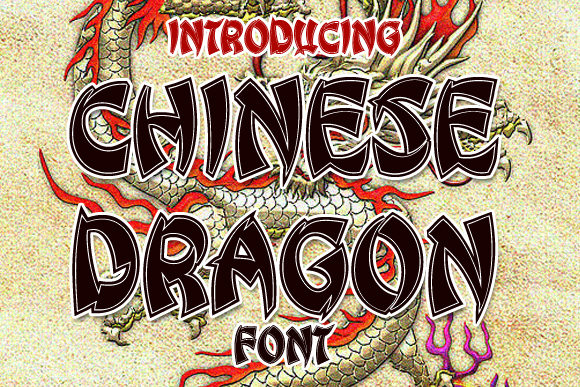
What sets Chinese Dragon apart from standard display fonts is its refusal to be contained by rigid geometry. Standard typography is often built on grids and pixels, but this font is built on the breath of the calligrapher. It features an extremely beautiful and bold aesthetic characterized by thick, sweeping strokes and sharp, tapered edges. The texture of the brush is visible within the vector lines—there is a grit and an organic quality to the letters that digital tools often sanitize away.
When you look at the font, you see the influence of the "Eight Principles of Yong," the foundational strokes of Chinese calligraphy. The horizontal strokes carry weight and stability, while the vertical and diagonal strokes often explode with kinetic energy. This creates a natural rhythm that guides the viewer's eye across the page. It balances the heaviness of a blackletter font with the fluidity of a script, making it a unique asset for designers looking to bridge cultural heritage with contemporary boldness.
Creative Applications: Beyond the Asian Fusion
A common misconception is that a font inspired by Asian calligraphy can only be used for projects related to Asian culture. While Chinese Dragon is perfect for branding a high-end dim sum restaurant or a martial arts academy, its utility extends far beyond that niche. The key is to treat the font as a texture and a shape rather than just a linguistic tool.
Music and Entertainment Branding
The energy contained within Chinese Dragon makes it an ideal candidate for the music industry. Consider the heavy metal genre, where jagged, aggressive typography is the norm. Chinese Dragon offers that same intensity but with a level of sophistication and artistry that generic metal fonts lack. It can be used for band logos, festival posters, or album covers for genres ranging from heavy metal to trap and experimental electronic music. The bold strokes ensure legibility even at a distance on a concert poster, while the style conveys "high energy."
Apparel and Streetwear
In the world of streetwear, graphics need to be impactful and culturally relevant. The calligraphic style of Chinese Dragon fits perfectly into the "street goth" or high-fashion streetwear aesthetic. It works exceptionally well for screen printing on dark fabrics. The thick strokes hold up well against fabric texture, and the brush style adds a handmade, artisanal feel to mass-produced merchandise. It suggests that the wearer is cultured, edgy, and appreciates the intersection of tradition and rebellion.
Gaming and Esports
The gaming community thrives on bold iconography. Whether you are designing a logo for a competitive esports team or creating UI elements for a fantasy RPG, Chinese Dragon provides the necessary gravitas. It evokes a sense of ancient power and mythical strength. When used for team names or "Game Over" screens, it instantly establishes a tone of epic conflict and heroism.
Practical Guidance for Using Bold Display Fonts
Using a font as expressive as Chinese Dragon requires a disciplined approach. Because the font is so visually dense and stylistic, it can easily overwhelm a design if not handled correctly. Here is how to implement it effectively while maintaining clarity and professionalism.
The Hierarchy of Impact
Reserve Chinese Dragon for headlines, logos, and short, punchy statements. It is a "display" font, meaning it is designed for large sizes. Using it for body text would be a disaster for readability; the complex strokes would blur together at small sizes, causing eye strain. Pair it with a neutral, clean sans-serif font (like Helvetica, Roboto, or Open Sans) for your body copy. This contrast creates a visual hierarchy that is pleasing to the eye: the bold calligraphy grabs attention, and the clean text delivers the information.
Color and Contrast
To truly let the brush strokes shine, high contrast is essential. The font looks striking in white or bright red against a deep black background, mimicking the classic aesthetic of ink on rice paper or lacquerware. However, for a modern twist, try pairing the font with neon colors or metallic gradients. When using Chinese Dragon, ensure there is enough breathing room (white space) around the letters. The sweeping tails of the letters need space to "breathe," or the design will feel claustrophobic.
Letter Spacing and Sizing
Because calligraphy is often connected or tightly grouped, you may need to adjust the kerning (spacing between letters) manually depending on your software. Sometimes, slightly increasing the tracking can make the text feel more open and premium. Conversely, overlapping the letters slightly can create a stamp or seal effect, which is excellent for creating logos or watermarks.
Adapting for Different Audiences
The versatility of Chinese Dragon lies in its ability to shift tone based on context. A freelancer or designer must read the room—or rather, read the client.
- For the Entrepreneur: If you are launching a hot sauce brand, this font screams "flavor" and "heat." It suggests a product that is traditional yet powerful.
- For the Educator or Blogger: If you run a history blog or a cultural commentary channel, using this font for your header image suggests authority on the subject of tradition and art. It shows you value the aesthetic of the culture you are discussing.
- For Event Planners: Designing invitations for a gala or a themed party? The font adds an immediate sense of occasion and formality without being stuffy like a traditional serif.
Conclusion: A Tool for Visual Storytelling
In a digital landscape saturated with geometric perfection, Chinese Dragon