Dragon King Font: An Evaluation of Its Gothic-Fantasy Aesthetic for Creative Projects
In the landscape of digital typography, selecting a typeface that balances legibility with thematic depth is a critical decision for designers. Dragon King is a display font that occupies a specific niche within the fantasy and medieval aesthetic spectrum. It blends elements of Art Nouveau curves with the angular, structural weight of Gothic and Celtic traditions. This article evaluates the font's characteristics, applications, and limitations to help professionals determine if it aligns with their visual communication goals.
Defining the Typography Style
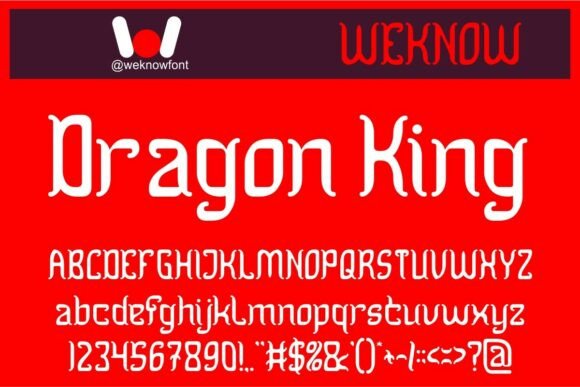
Dragon King is best classified as a decorative serif or blackletter-inspired display typeface. Unlike standard body text fonts designed for long-form reading, this font prioritizes visual impact and atmosphere. Its design features elaborate serifs and high-contrast strokes that evoke a sense of antiquity. The "Art Nouveau" influence is often seen in the organic flow of the letters, which prevents the harshness sometimes associated with strictly medieval fonts. This combination creates a visual language that suggests mystique, power, and historical depth.
For those researching typography, it is important to understand that Dragon King functions as a headline or logo font. Its intricate details are designed to be viewed at larger sizes, where the nuances of the Celtic knotwork or Gothic flourishes can be appreciated.
Key Applications and Use Cases
When evaluating whether to implement Dragon King, the primary consideration should be the medium and the industry. The font’s aesthetic is highly specific, making it a strong fit for certain sectors while being less suitable for others.
1. Branding and Identity
Dragon King is a strong candidate for brands that wish to convey a narrative of fantasy, heritage, or luxury with a medieval twist. It works well for:
- Role-Playing Games (RPGs): Logos for tabletop games, video game titles, or fantasy novels often utilize this style to immediately signal the genre to the audience.
- Specialized Retail: Businesses selling jewelry, leather goods, or historical replicas may find the font aligns with their brand values of craftsmanship and tradition.
- Apparel and Merchandise: In the context of heavy metal bands, streetwear with dark themes, or Renaissance faire merchandise, the font provides the necessary "edge" and thematic consistency.
2. Editorial and Book Design
In publishing, Dragon King serves a specific function. It is highly effective for chapter headings, drop caps, and book covers within the high fantasy, dark fantasy, or historical fiction genres. The font helps set the mood before the reader engages with the body text. However, it is critical to pair it with a highly legible serif or sans-serif font for the actual story content, as Dragon King is not designed for readability in long paragraphs.
3. Digital Media and Entertainment
The font translates effectively to digital environments where large headers are required. This includes:
- YouTube Thumbnails: The high contrast and distinct style catch the eye quickly, which is essential for click-through rates on video platforms.
- Movie Posters: For films in the action, thriller, or fantasy genres, the typeface adds a cinematic quality to the title treatment.
- Event Flyers: Music festivals or events featuring symphonic metal or folk music can use Dragon King to unify their visual marketing materials.
The Benefits
- Atmospheric Value: The font does significant heavy lifting in terms of storytelling. It instantly communicates a mood of mystery and grandeur without needing additional imagery.
- Visual Hierarchy: Due to its ornate nature, it naturally draws the eye, making it an excellent tool for establishing a focal point in a design.
- Distinctiveness: In a market saturated with minimalist sans-serifs, Dragon King offers a unique personality that can help a brand stand out.
The Tradeoffs
- Readability Issues: The primary drawback is legibility at small sizes. The decorative elements can become muddled or "noisy" if the font is used for body text or on low-resolution screens.
- Niche Limitation: The medieval/fantasy association is strong. Using this font for a modern tech startup, a medical provider, or a financial institution would likely create a dissonant brand message.
- Licensing and Availability: As with any specific design asset, designers must verify the licensing terms. Many high-quality decorative fonts are available only for personal use in their free versions, requiring a commercial license for client work.
Decision-Making Insights
To determine if Dragon King aligns with your project goals, consider the following evaluation criteria:
- Target Audience Analysis: Does your audience appreciate historical or fantasy aesthetics? If your demographic is strictly corporate or modern, this font may alienate them.
- Contrast with Competitors: Look at the typography used by competitors. If they are all using modern geometric sans-serifs, Dragon King could be a differentiator. If the market is already saturated with "fantasy" fonts, it may blend in rather than stand out.
- Pairing Strategy: Evaluate if you have a complementary font for the supporting text. Dragon King requires a "quiet" partner—such as a neutral serif like Garamond or a clean sans-serif like Helvetica—to ensure the overall design remains balanced and legible.
Conclusion
Dragon King is a specialized typographic tool. It is not a universal solution for all design problems, but rather a precise instrument for creating specific emotional responses. For designers working within the realms of fantasy, history, or gothic aesthetics, it offers a rich visual vocabulary. However, for projects requiring clarity, neutrality, or modern minimalism, exploring alternative typefaces would be a more practical approach. By weighing the atmospheric benefits against the legibility tradeoffs, you can make an informed decision on whether this font is the right vessel for your visual narrative.