Drip Horror: Evaluating a Bold Display Font for Halloween and Horror Design
What is Drip Horror?
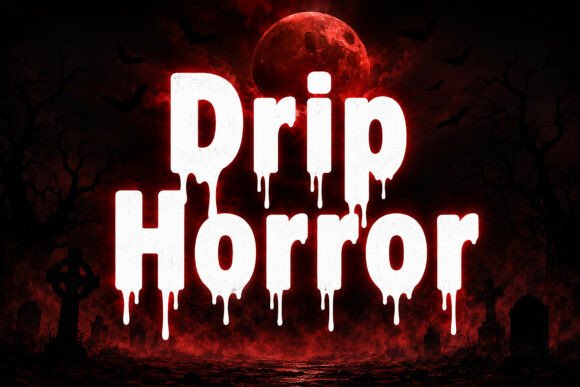
Drip Horror is a display typeface designed to evoke a sense of dread and classic horror aesthetics. It is characterized by its heavy, bold weight and a distinct dripping effect applied to the letterforms. This stylistic choice is intended to mimic the appearance of melting substances, most commonly associated with blood or slime in visual storytelling. The font is not designed for body text or general reading; rather, it functions as a graphic element intended to capture immediate attention and set a specific, chilling tone.
The design draws inspiration from vintage horror movie posters, haunted attraction signage, and the broader visual language of Halloween. Its primary function is typographic impact, making it suitable for headlines, logos, and titles where the visual style of the text is as important as the words themselves. The dripping effect is integrated into the core design of the characters, meaning every letter carries the thematic weight.
Reasons for Considering Drip Horror
The primary reason a designer or creator might consider Drip Horror is to instantly establish a horror or Halloween theme without relying on additional graphic elements. For projects like event posters, haunted house flyers, or seasonal social media graphics, the font itself does much of the atmospheric work. It provides a strong, recognizable visual cue that aligns with specific genres and holidays.
Another consideration is its bold visual impact. In a crowded digital space, particularly on platforms like YouTube or in gaming interfaces, a title needs to stand out. The dramatic, irregular silhouette of Drip Horror can break through visual noise, making it a potential candidate for thumbnails, channel art, or game title screens. Its design prioritizes immediate recognition and emotional response over subtle elegance.
Furthermore, it can be a practical asset for themed branding and merchandise. For businesses or creators operating in the horror niche—such as authors of scary stories, organizers of escape rooms, or creators of Halloween-themed apparel—a font like Drip Horror can become a consistent part of their visual identity. Its application on book covers, stickers, or T-shirt designs reinforces a cohesive brand message.
Key Benefits
- Thematic Clarity: The font leaves no ambiguity about its intended mood. It is engineered for horror, making it highly effective for its specific use case.
- Readability at Scale: Despite its stylistic elements, Drip Horror is designed to be legible when used as a headline or in large sizes. The bold weight ensures the text remains a strong graphic presence.
- Efficiency: Using Drip Horror can save design time. Instead of manually adding drip effects to a standard font, the effect is built-in, allowing for quicker project turnaround in appropriate contexts.
Potential Tradeoffs
- Limited Versatility: This is the most significant consideration. The very feature that makes it suitable for horror themes makes it inappropriate for almost all other design contexts. Using it for a wedding invitation, a corporate report, or a children's book would be incongruous and unprofessional.
- Overuse and Cliché Risk: Because it is a popular style for Halloween and horror, there is a possibility that designs using Drip Horror may look similar to others. Relying solely on the font without other creative elements could result in a generic appearance.
- Context Dependency: The font's effectiveness is heavily tied to the surrounding design. It requires a supporting color palette (often dark, with reds, blacks, or greens), imagery, and layout that complement its style to avoid looking out of place.
When is Drip Horror a Strong Fit?
Drip Horror is a strong candidate for projects where the primary goal is to communicate a scary, Halloween, or horror-themed message. It excels in situations requiring high visual impact and immediate thematic association. Consider it for:
- Event Promotion: Flyers, posters, and digital ads for Halloween parties, haunted houses, horror film festivals, or scary theme park events.
- Content Creation: YouTube thumbnails for horror game playthroughs, true crime channels, or scary story narration. It is also effective for podcast cover art within the horror genre.
- Product Design: Titles on horror novel covers, branding for a horror-themed podcast or blog, and graphics for merchandise like T-shirts, mugs, or stickers sold during the Halloween season.
- Game Development: Menu titles, chapter headings, or logo treatments in indie horror games or interactive fiction.
When to Consider Alternatives
There are several scenarios where a different typeface would be more appropriate, even within a broadly "scary" project. If the design requires subtlety, sophistication, or a different kind of terror, alternatives are worth exploring.
- Psychological Horror or Thriller: For projects that aim for unease, suspense, or intellectual fear rather than visceral shock, a clean, unsettling sans-serif or a sharp, high-contrast serif font might be more effective. Think of the typography in psychological thriller film posters versus slasher film posters.
- Extended Readability Needs: If the text will be used for body copy, descriptions, or any paragraph longer than a short tagline, a standard display or text font is necessary. Drip Horror should only be used for headlines or very short bursts of text.
- Projects with Broader Audience Appeal: If the horror element is just one part of a larger brand (e.g., a gaming channel that plays various genres), a less thematically rigid display font might offer more flexibility across different video thumbnails and branding materials.
- Modern or Minimalist Aesthetics: The dripping effect is inherently decorative and complex. In a design system built on minimalism and clean lines, it would clash dramatically.
Making a Practical Decision
Before selecting Drip Horror, conduct a brief evaluation based on your project's specific requirements:
- Define the Core Mood: Is the mood you're building explicitly "horror," "Halloween," or "monster-themed"? If the answer is a clear yes, proceed. If it's "eerie," "mysterious," or "dark fantasy," test other options first.
- Assess the Application: Will the font be used for a headline, logo, or title that is viewed at a medium to large size? If yes, it's a viable use case. If you need it for a small button or a line of instructional text, it is not suitable.
- Consider the Ecosystem: Look at the other visual elements in your project. Do you have imagery, colors, and layouts that can support and enhance the font's style? If your overall design is stark or minimalist, the font may overwhelm it.
- Test for Uniqueness: Research how similar fonts are used in your niche. While Drip Horror is a tool, using it in a unique composition with original art or photography can help your design stand apart from template-based creations.
Ultimately, Drip Horror is a specialized tool. Its value lies in its ability to perform a very specific task effectively: injecting a bold, undeniable horror aesthetic into a design. By evaluating your project's goals, audience, and broader visual context, you can determine if this focused capability aligns with your needs or if a more versatile typeface would serve you better.