Matilda: The Decorative Serif Font for High-End Luxury Design
In the realm of digital and print design, typography is the silent ambassador of a brand's identity. While sans-serifs dominate the modern digital landscape for their readability, there is a distinct and growing demand for typefaces that evoke heritage, craftsmanship, and opulence. Enter Matilda, an exquisite decorative serif font that represents a new level of luxury in design projects. Unlike standard serif fonts that rely merely on structural lines, Matilda masterfully blends classic typography with intricate, lace-inspired patterns. For the discerning creator, this font is not just a tool for writing; it is a piece of art that transforms text into a visual tapestry.
The Anatomy of Elegance: Understanding Matilda’s Design
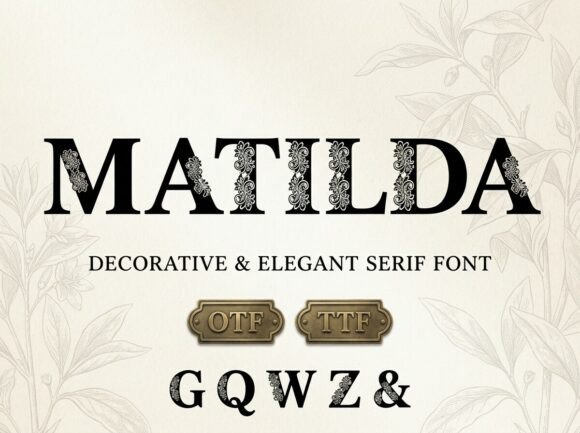
To appreciate the value of Matilda, one must look closer at its construction. At first glance, it appears to be a bold, authoritative serif typeface. However, upon closer inspection, the viewer discovers that each character is meticulously filled with detailed floral and damask motifs. This creates a texture that feels both hand-crafted and ultra-premium. It bridges the gap between the digital world and the tactile feel of vintage letterpress or embroidery.
The design philosophy behind Matilda is rooted in the concept of "fill." Many decorative fonts rely on outlines or drop shadows to create interest. Matilda takes a different approach by treating the interior of the letterforms as a canvas. The intricate lacework patterns within the letters create a high level of visual density, making the font particularly effective for large display text where these details can be fully appreciated.
Key Visual Characteristics
- Ornamental Interiors: The defining feature of Matilda is the floral and damask filling. This adds depth without the need for external textures or overlays.
- Classic Serif Structure: Despite its decorative nature, the underlying structure remains a legible serif, ensuring that the text retains its traditional form and hierarchy.
- Hand-Crafted Aesthetic: The patterns mimic the imperfections and flow of hand-drawn art, avoiding the sterile, vectorized look of standard digital fonts.
Where Matilda Shines: Practical Applications and Use Cases
The versatility of a font like Matilda lies in its ability to instantly elevate the perceived value of a project. Because it carries an inherent "expensive" look, it is best utilized in contexts where prestige and attention to detail are paramount. It is designed for the creator who understands that visual cues influence how consumers perceive the quality of a product or service.
Wedding Stationery and Event Invitations
Perhaps the most natural habitat for Matilda is the world of luxury weddings. The font is the perfect choice for high-end branding where every detail matters. Whether you are designing "Save the Date" cards for a luxury wedding or creating a cohesive suite of invitations, menus, and place cards, Matilda brings an instant aura of prestige and vintage elegance. Its lace-like qualities complement romantic themes, floral arrangements, and classic venue aesthetics.
Fashion and Beauty Branding
In the fashion industry, typography often needs to speak before the product is even seen. Matilda is an exceptional choice for crafting a boutique logo for a fashion house. It suggests exclusivity and attention to craftsmanship. Imagine this font embossed on a shopping bag, foil-stamped on a business card, or used as the header for a high-fashion lookbook. It appeals to a demographic that values heritage and style over fleeting trends.
Artisan Packaging and Product Labels
For small business owners and entrepreneurs in the artisan sector, packaging is the primary salesperson on the shelf. Developing premium packaging for artisan products—such as high-end cosmetics, gourmet foods, or bespoke candles—requires a typeface that communicates quality. Using Matilda on a label tells the consumer that the product inside is crafted with care. It transforms a simple jar or box into a gift-worthy item.
Technical Considerations and Best Practices
While Matilda is a powerful design asset, using a highly decorative font requires a nuanced understanding of typography rules. Because of its intricate internal patterns, Matilda is a display font, not a body text font. Understanding this distinction is crucial for maintaining readability and professional standards in your design projects.
Legibility and Hierarchy
Due to the complexity of the floral motifs, Matilda is best reserved for headlines, logos, and short bursts of impactful text. If used for long paragraphs, the intricate patterns can cause visual fatigue, making the text difficult to read. Designers should pair Matilda with a clean, simple sans-serif or a minimalist serif for body copy. This contrast allows the decorative font to stand out as the focal point without overwhelming the viewer.
Size and Scaling
To truly appreciate the lace-inspired patterns of Matilda, the font needs room to breathe. It is most effective at larger sizes. When scaled down too small, the intricate details may blur together, losing their definition and turning into visual noise. Always test the font at the specific size it will be viewed in the final medium, whether it is a billboard or a business card.
Color and Texture Pairing
The aesthetic of Matilda pairs beautifully with specific color palettes. Deep jewel tones (emerald, sapphire, ruby) or metallics (gold, copper, rose gold) often highlight the luxury aspect of the font. Furthermore, because the font mimics texture, it pairs well with smooth, clean backgrounds or subtle paper textures to enhance the "hand-crafted" feel.
Evaluating Suitability: Is Matilda Right for Your Project?
Before integrating Matilda into your workflow, it is helpful to evaluate whether its characteristics align with your project's goals. As with any specialized tool, it is not a one-size-fits-all solution, but for the right application, it is unmatched.
Who Benefits Most?
Matilda is particularly beneficial for:
- Graphic Designers: Professionals looking to expand their library of display fonts for client work in the wedding, luxury, and lifestyle sectors.
- Small Business Owners: Entrepreneurs in the handmade, vintage, or boutique markets who want to create their own branding materials with a professional, high-end finish.
- Content Creators: Bloggers and social media influencers focusing on lifestyle, interior design, or beauty who need eye-catching titles for thumbnails and cover images.
When to Look Elsewhere
Conversely, Matilda may not be the best fit for corporate communications, technical documentation, or user interfaces (UI) where clarity and speed of reading are the top priorities. Its decorative nature is designed to capture attention and evoke emotion, rather than to convey information quickly and efficiently.
Conclusion: The Value of Ornamentation
In an era of minimalist design, choosing a font like Matilda is a bold statement. It is a commitment to beauty, detail, and the celebration of traditional craftsmanship. By incorporating this font into your design toolkit, you gain the ability to instantly infuse projects with a sense of history and luxury. Whether you are a seasoned designer or a business owner crafting your own visual identity, Matilda offers a unique way to stand out, ensuring that your typography is not just read, but remembered. It serves as a reminder that in the world of design, the details are not just details—they are the design.