Vintage Noise: Capturing the Raw, Tactile Soul of Industrial Design
In an era saturated with flawless digital vectors and pristine, algorithmically perfect typography, a significant counter-movement is gaining momentum. Designers, brands, and creators are increasingly rejecting the sterile "digital look" in favor of raw, imperfect aesthetics that evoke history and authenticity. This shift is not merely about nostalgia; it is about capturing a specific mood—one that feels tactile, grounded, and unapologetically bold. At the heart of this aesthetic resurgence is Vintage Noise, a distressed display font that bridges the gap between modern digital workflows and the rough, ink-on-paper reality of industrial printing.
The Rise of Imperfection in Modern Visual Communication
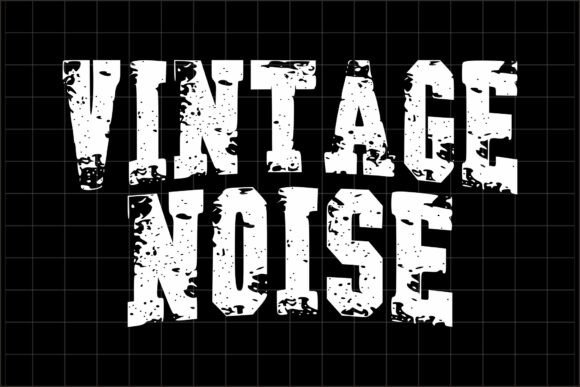
For years, the design world chased clarity and smoothness, driven by the capabilities of high-resolution screens. However, as digital content became ubiquitous, visual fatigue set in. Audiences began to crave textures that felt "real." This change in preference has led to the popularity of grunge aesthetics, streetwear typography, and industrial branding. Vintage Noise fits perfectly into this landscape. It is not a clean sans-serif or a delicate serif; it is a bold, distressed display typeface featuring a rough, worn, and textured effect inspired by urban posters and vintage print mechanics.
The relevance of a font like Vintage Noise lies in its ability to communicate character instantly. When a band uses this typeface for a poster, it signals rebellion and raw energy without needing a single word of explanation. When a streetwear brand applies it to merchandise, it suggests durability and an edge. This font avoids the "perfect" digital look because it incorporates the noise and grit of the printing process directly into its letterforms. It mimics the visual artifacts of ink spreading on paper, misalignments in old printing presses, and the wear of time.
Industrial Typography and the Tactile Experience
The inspiration behind Vintage Noise is deeply rooted in industrial typography. Historically, industrial signage and machinery labels were designed for maximum impact and durability. They were often stenciled or embossed, resulting in letterforms that were heavy, blocky, and prone to wear. Vintage Noise captures this essence, offering a typeface that feels like it was stamped onto a shipping crate or sprayed onto a concrete wall.
This tactile quality is essential for modern branding. In a market where consumers are bombarded with thousands of generic logos daily, a textured typeface creates a sensory experience. It suggests that the brand has substance and history. For example, a craft brewery or a coffee roaster using Vintage Noise on their packaging can communicate a "handmade" or "small-batch" ethos effectively. The rough edges of the font imply that the product inside is crafted with care, rather than mass-produced in a sterile factory.
Practical Applications: From Digital Screens to Physical Merchandise
The versatility of Vintage Noise makes it a powerful tool across various mediums. It is particularly effective where high contrast is required between the typography and the background. Because the font carries its own texture, it pairs exceptionally well with other rough elements, such as halftone patterns, grainy photography, and dark, moody color schemes.
Streetwear and Merchandise
In the world of streetwear, typography is a primary vehicle for expression. Logos and slogans need to look distinct on t-shirts, hoodies, and caps. Vintage Noise provides that distinctiveness. Its distressed nature ensures that the design looks integrated into the fabric of the garment, rather than looking like a sticker slapped on top. It works beautifully for projects that need a masculine, bold, or rebellious character. Whether it is a limited-run graphic tee or a band's tour merchandise, the font adds a layer of credibility to the visual identity.
Branding and Packaging
For entrepreneurs and business owners, choosing the right font is a critical decision that defines brand perception. Vintage Noise is ideal for brands positioning themselves in the industrial, outdoor, or heritage sectors. It can be used for logos, headlines on websites, and product packaging. However, it is important to use it strategically. As a display font, it is best suited for short, impactful text—headlines, taglines, and logos—rather than long paragraphs of body copy. The distressed texture ensures strong readability at large sizes while maintaining an authentic retro feel.
Posters and Social Media Graphics
The digital landscape requires visuals that stop the scroll. On platforms like Instagram or TikTok, where content moves quickly, a bold headline set in Vintage Noise can grab attention immediately. The "noise" effect in the font adds visual interest and depth, making a simple graphic look more complex and professionally designed. It is particularly effective for event posters, music festivals, and urban-themed content where the aesthetic needs to feel energetic and raw.
Designing with Texture: Pairing and Color
Using a distressed font like Vintage Noise requires a thoughtful approach to design composition. Because the font itself is visually heavy and textured, it benefits from a balanced background. It pairs exceptionally well with:
- Rough Textures: Concrete, brick, paper grain, or wood textures complement the font's gritty aesthetic.
- Halftone Patterns: These retro printing patterns enhance the industrial vibe.
- Dark, Moody Color Schemes: While it works on light backgrounds, Vintage Noise often looks most striking against dark backdrops (black, charcoal, deep navy) where the texture can pop, or in high-contrast duotone color treatments.
Avoid pairing this font with overly delicate or minimalistic design elements, as the contrast might feel disjointed. Instead, lean into the aesthetic. Use bold borders, rough shapes, and photography that has been treated with grain or high contrast to create a cohesive visual narrative.
The Evolution of Digital Fonts and Authenticity
The creation of fonts like Vintage Noise represents a broader evolution in typography technology. Previously, achieving a distressed look required designers to manually overlay textures on top of clean vector fonts—a time-consuming process. Modern font design allows for these textures to be embedded directly into the typeface. This means that designers can maintain a clean, scalable vector workflow while still achieving that authentic, non-digital look.
This evolution empowers freelancers and creators to work more efficiently. They no longer need to spend hours "roughening up" their text. By selecting a typeface like Vintage Noise, they can instantly apply a specific mood and character to their project. This efficiency is crucial in fast-paced environments like social media marketing or rapid prototyping for client presentations.
Conclusion: The Enduring Appeal of the Rough Edge
The demand for Vintage Noise and similar distressed typefaces is more than a passing fad; it is a reflection of a desire for authenticity in a polished world. For designers, marketers, and business owners, this font offers a direct line to the aesthetics of the past—industrial grit, street-level rebellion, and the tangible feel of ink on paper. It provides a strong, impactful visual presence that stands out in a sea of digital perfection. By incorporating Vintage Noise into their toolkit, creators can ensure their work resonates with the raw, human touch that audiences are increasingly seeking. It is a reminder that in design, as in life, imperfection often carries the most character.