Glenn: Unlocking Design Potential with a Unique Skeleton Key Typeface
Integrating a Thematic Asset into Your Creative Workflow
In the world of design, the right typeface is more than just a collection of letters; it is a strategic tool that sets the tone, communicates a message, and solves a specific visual problem. When you encounter a project requiring a blend of vintage charm, mystery, and tangible texture, standard sans-serifs or generic scripts often fall short. This is where specialized assets like the Glenn typeface enter the workflow. Glenn is not merely a font; it is an illustrative system that meticulously transforms the anatomy of classic brass skeleton keys into legible, functional characters. Understanding how to prepare, implement, and control such a distinct asset is crucial for delivering high-quality, on-brand design work.
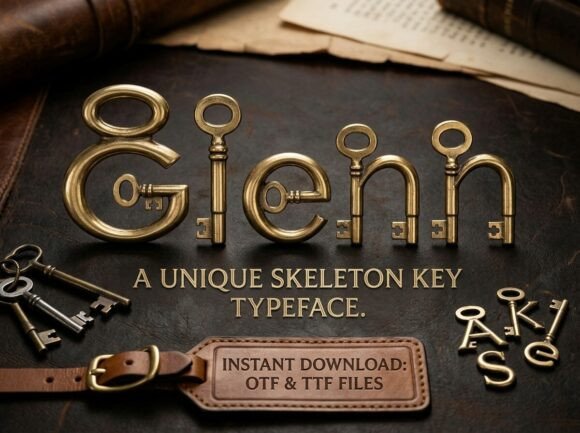
Before diving into the application, it is helpful to define the asset’s role in the broader design ecosystem. Glenn features a weathered metallic texture and an antique aesthetic. It functions as a visual metaphor for discovery, security, and secrets. For designers, marketers, and business owners, this translates to a highly specific tool used to evoke immediate emotional responses. Integrating Glenn into a project requires a shift in mindset from standard typography to illustrative lettering. It demands attention to context, spacing, and supporting elements to ensure the design remains professional rather than cluttered.
The Preparation Phase: Assessing Project Fit
The most efficient workflow begins with assessment. Before downloading or installing Glenn, evaluate the project requirements against the font’s inherent characteristics. Glenn is best suited for scenarios where the theme of "unlocking" or "antiquity" is central to the user experience. If the project involves a modern tech startup or a minimalist corporate report, Glenn is likely the wrong choice. However, for specific niches, it is the perfect solution.
Consider the following applications where Glenn fits naturally into the planning stage:
- Escape Room Branding: Logos, signage, and hint cards that need to immediately signal a puzzle-solving environment.
- Publishing: Mystery novel titles, chapter headings, or special edition covers that require a tactile, vintage feel.
- Retail and Events: Antique shop branding, secret event invitations, or vintage market flyers.
- Digital Assets: Website headers for history blogs or thumbnails for mystery-themed YouTube content.
By identifying these use cases early, you prevent workflow bottlenecks later. You can immediately map out where Glenn will appear—typically as a display font for headlines or logos—while planning a complementary, legible font for body text. This preparation ensures that the "skeleton key" aesthetic enhances the design without compromising readability.
Implementation: Working with Illustrative Typography
Once the project scope is defined, the implementation phase begins. Working with an illustrative typeface like Glenn differs from working with standard text fonts. Because the characters are built from the intricate shapes of keys and metalwork, they carry more visual weight and texture. This impacts how you handle hierarchy and spacing in your design software, whether you are using Adobe Illustrator, Photoshop, or Canva.
Managing Visual Weight and Hierarchy
Because Glenn possesses a weathered metallic texture, it naturally draws the eye. In a typical workflow, you would use this font exclusively for high-impact elements. Avoid using Glenn for long paragraphs of text; the intricate details of the "keys" can cause visual fatigue if overused. Instead, reserve it for the H1 or primary logo mark.
When setting the type, pay close attention to kerning. The unique shapes of skeleton keys—some with circular heads, others with jagged teeth—create organic gaps that may look uneven at first glance. Manual adjustment is often necessary to ensure the letters feel connected, much like a ring of keys hanging together. This manual refinement is a critical step in quality control, ensuring the typography looks intentional rather than accidental.
Color and Texture Interaction
Glenn interacts heavily with the background environment. To maximize the "antique brass" effect, consider the substrate. If you are designing a print piece, such as a wedding invitation or a book cover, a textured paper stock (like linen or parchment) will enhance the font's inherent weathering. In a digital environment, placing Glenn over a solid, dark background (like charcoal or deep navy) often makes the metallic highlights pop, mimicking the look of a key under a spotlight.
Furthermore, Glenn interacts well with other vintage assets. It pairs seamlessly with distressed paper textures, sepia-toned photography, and serif fonts that have a classic structure. When integrating Glenn into a layout, avoid pairing it with ultra-modern, geometric sans-serifs, as the style clash can confuse the viewer. Instead, look for a serif companion that shares the font's historical roots to maintain visual consistency.
Workflow Integration: From Concept to Final Asset
Integrating a specialized font like Glenn into a professional workflow requires organization. For freelancers and agencies, asset management is key. Once Glenn is licensed, it should be cataloged in a design system or asset library tagged with relevant descriptors such as "vintage," "mystery," "illustrative," or "thematic." This saves time during the discovery phase of future projects, allowing you to quickly retrieve the font when a client requests a "vintage secret" vibe.
The Proofing Process
During the proofing stage, test Glenn across different mediums. A logo designed with Glenn might look stunning on a large monitor but become illegible on a mobile screen or a small favicon. Because the skeleton key anatomy involves fine lines and intricate cuts, these details can be lost at small sizes. A robust workflow includes testing the typeface at various scales. If the font loses legibility at small sizes, plan to use a simplified version of the logo or a different, cleaner font for those specific applications. This is a practical step to ensure the design is versatile and functional across all user touchpoints.
Collaboration and File Handoff
If you are working within a team or handing off files to a client, documentation is vital. Because Glenn is a unique display font, the client may not have it installed. To ensure consistency, always outline the text (convert to shapes) in the final vector files for logos. For editable text documents, provide the font files along with a usage guide explaining that Glenn is intended for headers only. This prevents the common issue of a client using a decorative font for body copy, thereby maintaining the integrity of the design you created.
Long-Term Use and Brand Consistency
For small business owners—specifically those running antique shops, escape rooms, or niche publishing houses—Glenn can become a cornerstone of brand identity. However, long-term use requires strict consistency. If Glenn is chosen as the primary logo typeface, it should be used exactly the same way across all platforms: the website, social media graphics, business cards, and physical signage.
Over time, this consistent application turns the typeface into a recognizable brand asset. Customers begin to associate the visual shape of the skeleton keys with the specific experience or product you offer. This is the ultimate goal of typography in branding: creating a subconscious link between a visual style and a feeling of trust or excitement.
By approaching the Glenn typeface not just as a decorative element but as a strategic workflow tool, designers and creators can unlock the full potential of their projects. It requires preparation to ensure fit, careful implementation to maintain legibility, and organized integration to ensure brand consistency. When these process-oriented steps are followed, the result is a design that doesn't just look like a vintage artifact, but one that effectively communicates the mystery and charm intended. Glenn offers the key; the designer’s workflow is the hand that turns it.